A Sydney-based mum and entrepreneur has brought Australia’s first packaged hemp water to market in a carefully-designed bottle.
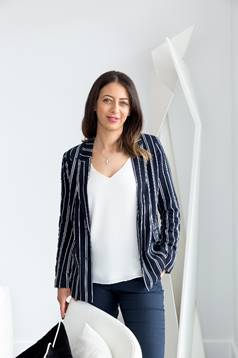
Natalie Moubarak invested $100,000 of her own money over 18 months to develop +hemp, which is stocked in selected IGA supermarkets as well as some BP and Caltex service stations.
The organic hemp water is packaged in a bottle with a wide neck and lid, allowing as much water as possible to flow through. The bottle also has no ripples or lining, which Moubarak says sets it apart from other drink bottles.
“This makes it a particularly good drink for people who take it to the gym or during physical activities,” she said. “Other bottles out there in the market are usually half this size.”
The label, which was designed by Sydney agency Ad Creators in collaboration with Moubarak, is printed on a UV-protected sleeve.
“I designed the sleeve to prevent the drink from being affected by sun exposure if people happen to leave it out for sitting in direct sunlight. It’s rare to find that in bottles, especially the ones that are clear,” said Moubarak.
Moubarak says she is on track to sell 65,000 bottles of +hemp by Christmas, and plans to release new flavours later this year and expand around the world.