



Finnish company Stora Enso has announced the winners of a design competition which celebrates paperboard in luxury packaging.
The Recreate Packaging design competition awarded Duncan Anderson the first prize in the students' category, and made Micaela Nilsson from Swedish company Gafs Kartong the winner in the professional designers' category.
Anderson's perfume packaging concept, Chrysalis, allowed the shape of the bottle to be visible through the packaging.
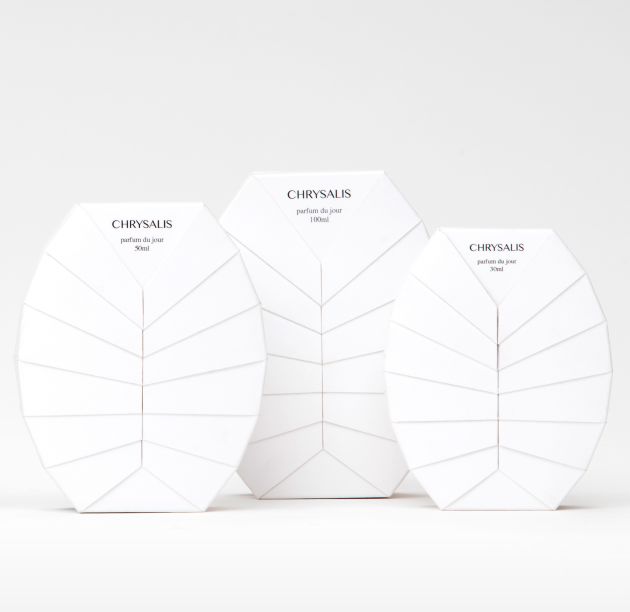
"The main task of the cosmetics business is to frame the cosmetics, and usually the box of the perfume hides the shape of the perfume bottle – which is a shame,” said jury chairman Jari Latvanen.
“In this winning entry, Performa Brilliance by Stora Enso is an excellent material choice.
“The packaging gives off an organic perception of the concept, and the excellent presentation and mock-ups show unusual skill and creativity."
Micaela Nilsson's packaging for Pivert Champagne was the obvious winner for every jury member.

"This is extremely strong design with the bubble effect, and you can see the light effects,” Latvanen said.
“There is innovative use of the technical function and aesthetic aspect, utilising the versatility of the CKB board.
“The design offers many opportunities for customisation of other themes and colours. It's so simple but gives lots of value."
There were 157 entries in total, and first prize was EUR 5000 both in the student and the professional categories.
"We were delighted to see so many new ideas in how to use paperboard for luxurious packaging of champagne, chocolate and perfume,” said Latvanen.
“The designers had truly discovered how the tactile properties of renewable packaging materials can create a unique consumer experience."
The winner of the Public Choice Award was an elegant chocolate box called Bermuda, designed by students Tuan Dao Mahn and Khan Lam from Beuth University in Germany.


