


The consumer impact of packaging using foils and laminates has been measured by a research company.
The researcher, called Package InSight and operating out of Clemson University in the US, has released the results of a study which shows a strong consumer preference for luxury chocolate packs that have been foiled or laminated.
The study examined the on-shelf impact of metallic materials by fitting 70 participants – or "shoppers" – with eye-tracking glasses that recorded their eye movements while they selected products from a shelf.
From this, the researchers were able to analyse the "nonconscious" signals that informed participants’ behaviour and purchasing decisions.
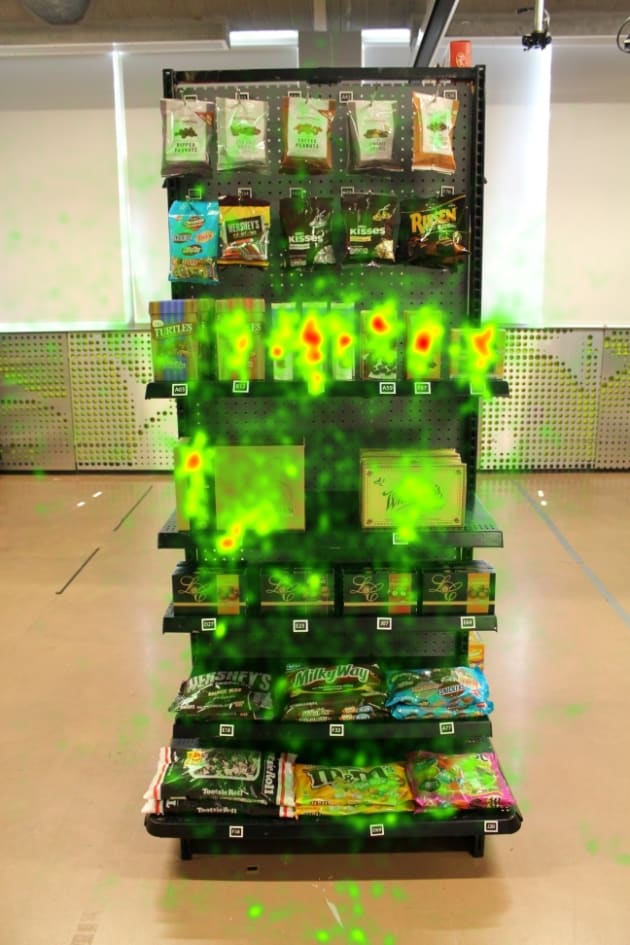
The study found that, for both Belgian and Swiss luxury chocolates, participants' gazes fixated significantly more often – and for significantly longer periods – on foiled and laminated versions of the packs than on versions without metallic treatment.
More importantly, participants were more likely to select and “purchase” the metallised packs than their identical but un-metallised counterparts.
A further interview segment of the study then shone light on why participants favoured the foiled and laminated packs, with a consensus emerging that these treatments added a premium feel to the chocolate that was suggestive of higher quality products.
Responses included, "The foil-stamped version looks more elegant and expressive", and "It gives it a more premium look and shows their attention to detail".
The study showed that, when applied intelligently, foil can significantly boost the chances of luxury chocolate products in a retail store environment>
The API ‘Brand impact delivered through packaging’ white paper is available to download here.


