


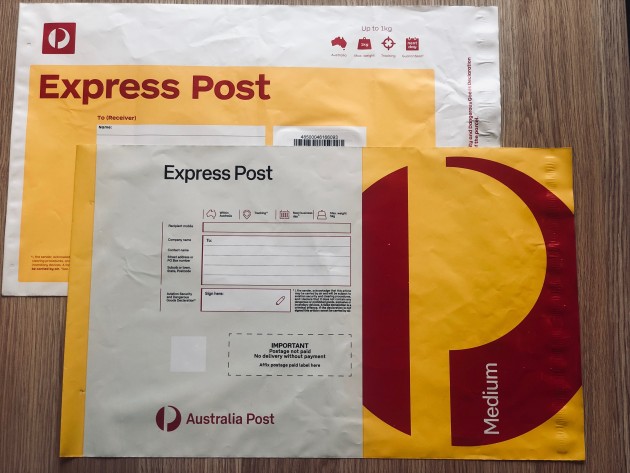
Australia Post will launch a new satchel made from recycled plastic as part of a bigger push for sustainability across the business.
The first satchels will be launched with Country Road, a major Australia Post customer, in time for the Christmas shopping rush, with a full rollout planned for early 2020. Australia Post plans to use 80 per cent recycled plastic in its shipping satchels by next year, thus reducing its reliance on virgin plastic.
According to Christine Holgate, CEO of Australia Post, the national mail carrier is putting sustainability front and centre in its operations.
“One of the things about sustainability and doing things like recycled packaging is for the people that work in your business. They want to work for organisations where they’ve got strong values.
“The people of Australia expect us to do more – there’s a bigger expectation on an organisation that provides a community service to be leading in this type of work,” said Holgate.
The company’s new sustainability plan, underpinned by the United Nations Sustainable Development Goals, features a suite of “2030 aspirations” to be achieved by the end of the next decade, including in areas such as gender equality, safety, and carbon reduction. The themes are grouped together under headings of inclusivity, responsible profit-making, and environmental awareness.
“All of our big delivery facilities now use solar generation for electricity – we’re one of the biggest property owners and tenants – so it’s not about spending more, but spending wisely,” said Holgate.


