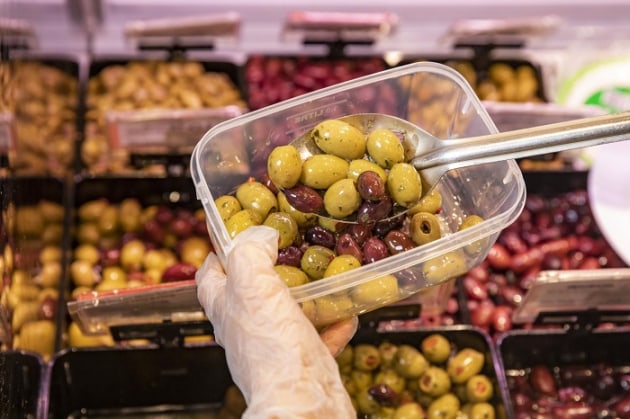
Customers at Woolworths stores in Tasmania and Queensland can now help cut plastic in their regular shop by bringing their own reusable containers from home to fill up at the deli, meat and seafood counters, as part of a trial set to expand in coming months.
The new initiative aims to reduce the use of disposable plastic containers and wrapping to help customers shop more sustainably.
The BYO container program has just launched in all Woolworths stores across Tasmania, as well as its new West End store in Queensland, following its successful trial at Woolworths’ Crows Nest store in NSW. Trials will roll-out across further stores in NSW and Victoria early next year.
Customers can simply let Woolworths’ team members behind the counter know that they’ve brought their own container, and team members will adjust the tare weight to their container, fill it, and provide a printed barcode sticker to scan at the checkout.
“We’re always looking for new ways to grow greener and the option to bring your own containers to the deli is something our customers have been asking for,” said Alex Holt, Woolworths Group chief sustainability officer.
“Across the community, we’re increasingly adding reusable packaging to our regular routines – whether it be reusable cups for our morning coffee or bringing our own bags to the supermarket.
“We hope our new BYO container program will be no different, and that together with our customers, we can help reduce the amount of single-use plastic in their grocery shop.
“The potential impact of a small change like this is huge. If every customer brought their own deli container, an average store could save up to 10,000 plastic containers a year.”
Trevor Evans, assistant minister for Waste Reduction and Environmental management, welcomed the expansion of the BYO container program in Woolworths stores.
“Practical industry-led initiatives like this program in Woolworths increase public confidence in waste reduction and are vital in achieving Australia’s goal of phasing out unnecessary plastics by 2025,” Evans said.
“Australian consumers are increasingly looking for opportunities to take responsibility for their waste, and they want to take actions that see better outcomes for the environment.”
For food and operational safety, containers brought by customers to be filled in store must have a sealable lid, be clean and in good condition, and not be glass or single-use. The option is available on all products sold by weight at the deli, meat and seafood counters, and not currently available for salads sold by volume.
Woolworths is working across its entire operations to reduce plastic and increase the sustainability of its products. It has committed to make 100 per cent of its Own Brand packaging recyclable, compostable or reusable by the end of 2023.
Since 2018, Woolworths has improved the packaging on more than 550 of its Own Brand and fresh products, removing thousands of tonnes of plastic from circulation through items like milk bottles, meat trays, produce packaging and bakery containers.